

To clear skin bumps, you must first identify whether they are closed comedones, milia, or keratosis pilaris, as treating them requires matching specific active ingredients like salicylic acid, retinoids, or urea to the underlying cause. Misidentifying these tiny flesh-colored or white raised spots usually leads to using the wrong active ingredients, which damages the skin barrier without smoothing texture. Understanding why these bumps form on your forehead, cheeks, or body is the most effective step toward restoring smooth skin.
Skin texture issues affect almost everyone at some point, yet most people treat all small bumps as traditional acne. That mistreatment comes with a steep price: stripping your skin with harsh benzoyl peroxide spot treatments won't budge a keratin cyst or a keratosis pilaris plug. Instead, it leaves your moisture barrier inflamed, red, and flaking while the underlying bumps remain completely unchanged.
Knowing what is actually sitting beneath your skin surface saves month of wasted expenditure on ineffective serums. Before buying another bottle of exfoliant, you need to understand how professional dermatologists diagnose these bumps and match them with proven chemical compounds.
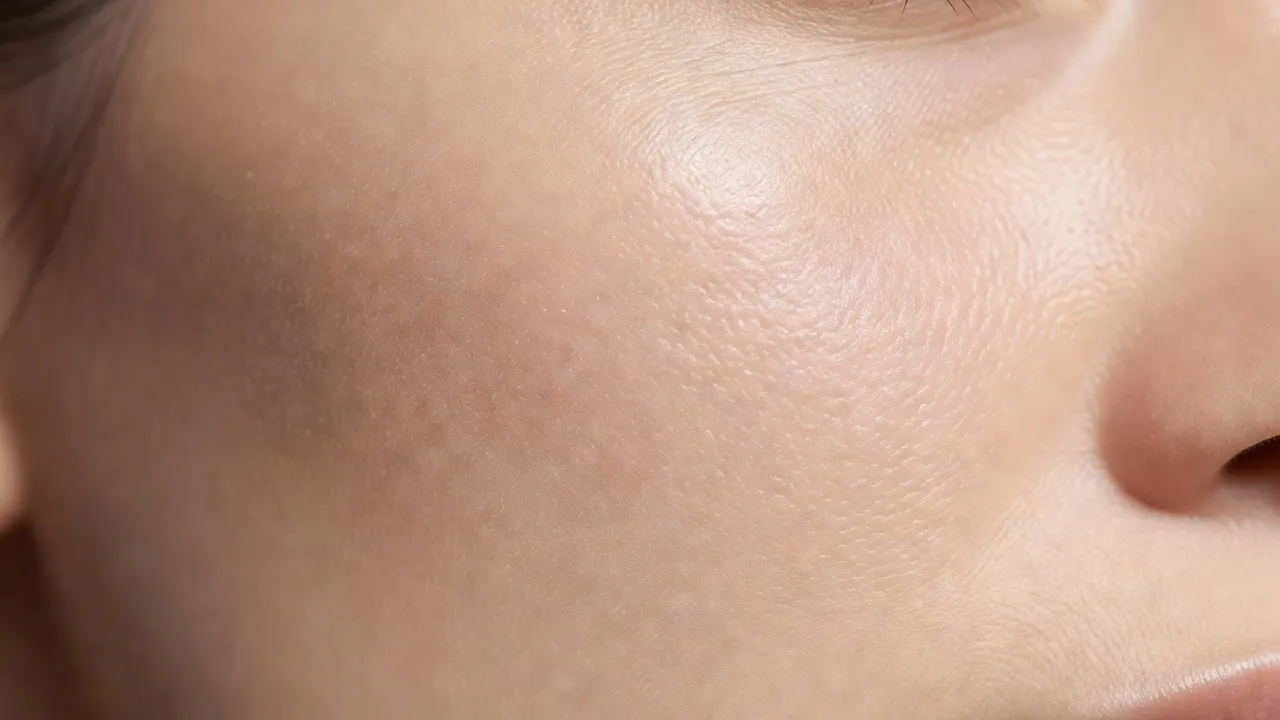
What do dermatologists recommend for treating small skin bumps?
Dermatologists recommend identifying the specific bump type before applying targeted chemical exfoliants, topical retinoids, or professional extraction procedures. Treating small skin bumps successfully requires addressing their root cause rather than treating them with generic spot treatments.
The primary cause of non-inflammatory bumps is either trapped sebum, dead skin cells, or localized keratin buildup. According to clinical guidance from the American Academy of Dermatology, attempting to squeeze or pop non-inflammatory skin bumps at home frequently forces debris deeper into the dermis, causing secondary bacterial infection and permanent scarring.
Instead of mechanical force, board-certified dermatologists advocate for a systematic approach:
- Unclogging pores: Beta-hydroxy acids (BHAs) dissolve oil inside follicle walls.
- Accelerating cell turnover: Topical retinoids prevent dead skin cells from clumping together.
- Dissolving keratin: Alpha-hydroxy acids (AHAs) and urea break down hard protein plugs.
- Professional removal: In-office extractions or cryotherapy safely handle resistant cysts like milia.
If you are trying to analyze your skin texture patterns at home, taking a quick photo with the Glow Up & Attractiveness Test app provides a detailed face analysis powered by a fine-tuned AI model. The app evaluates overall visual clarity, highlights areas of irregular texture, and gives you tailored tips to refine your look.
How are closed comedones (white bumps) treated?
Closed comedones are treated using lipophilic beta-hydroxy acids like salicylic acid and topical retinoids that dissolve sebum and accelerate cellular turnover. These small, skin-colored or whitish bumps form when dead skin cells and excess oil block a hair follicle opening.
Unlike open comedones (blackheads), closed comedones have a tiny microscopic pore opening that prevents oxygen from entering, keeping the trapped sebum pale. The most common mistake people make with closed comedones is over-exfoliating with physical scrubs. Scrubbing inflames the pore entrance, causing the clogged oil pocket to turn into a red, painful inflammatory acne papule.
Effective treatment relies on consistent, gentle chemical pore clearance across your entire daily routine:
- Daily Salicylic Acid Wash: Use a 2% salicylic acid cleanser during your morning skincare routine to clear daily oil accumulation.
- Topical Retinoid Application: Apply adapalene (0.1%) or prescription tretinoin during your skincare routine at night to normalize how skin cells shed inside the pore.
- Non-Comedogenic Hydration: Switch to oil-free, gel-based moisturizers that provide hydration without adding pore-clogging fatty acids.
As of September 2026, over-the-counter adapalene gel remains the gold-standard topical treatment recommended by clinical dermatologists for persistent closed comedones. It typically takes 6 to 8 weeks of continuous night-time use to see complete clearing.
| Bump Type | Primary Location | Root Cause | Best Active Ingredient | What to Avoid |
|---|---|---|---|---|
| Closed Comedones | Forehead, chin, cheeks | Trapped sebum & dead skin cells | Salicylic Acid (BHA), Adapalene | Heavy plant oils, physical face scrubs |
| Glow Up App Analysis | Entire face | Visual texture & symmetry assessment | Fine-tuned AI model evaluation | Ignoring holistic skin health factors |
| Milia | Under eyes, top of cheeks | Trapped keratin protein flakes | Retinoids, professional extraction | Squeezing, heavy eye creams |
| Keratosis Pilaris | Upper arms, thighs, cheeks | Excessive keratin buildup in hair follicles | Urea, Lactic Acid, Ammonium Lactate | Harsh soaps, hot water showers |
| Fungal Acne (Folliculitis) | Chest, back, hairline | Overgrowth of Malassezia yeast | Ketoconazole, Zinc Pyrithione | Fatty acid moisturizers, heavy sunscreen |
What do dermatologists recommend for treating milia?
Dermatologists recommend professional manual extraction or prescription-strength retinoids to remove milia, as these keratin-filled cysts lack a surface pore opening. Milia are miniature, harmless keratin-filled cysts that appear as hard, tiny white bumps primarily beneath the eyes and across the upper cheeks.
Because milia reside beneath a thin layer of healthy epidermal tissue, no amount of squeezing will pop them. Attempting to squeeze a milia cyst at home tears the delicate surface skin, frequently leading to localized hyperpigmentation or permanent scarring.
Dermatological management of milia focuses on three established approaches documented by medical research on the Cleveland Clinic health portal:
- Sterile Extraction: A dermatologist uses a tiny sterile lancet to make a microscopic nick on the skin surface before gently lifting out the keratin seed.
- Topical Retinoids: Regular application of prescription retinoids gradually thins the overlying layer of dead skin, allowing the body to shed the trapped keratin naturally over several months.
- Preventative Formula Changes: Replacing heavy, mineral-oil-rich eye creams with lightweight hyaluronic acid serums stops new keratin seeds from forming.
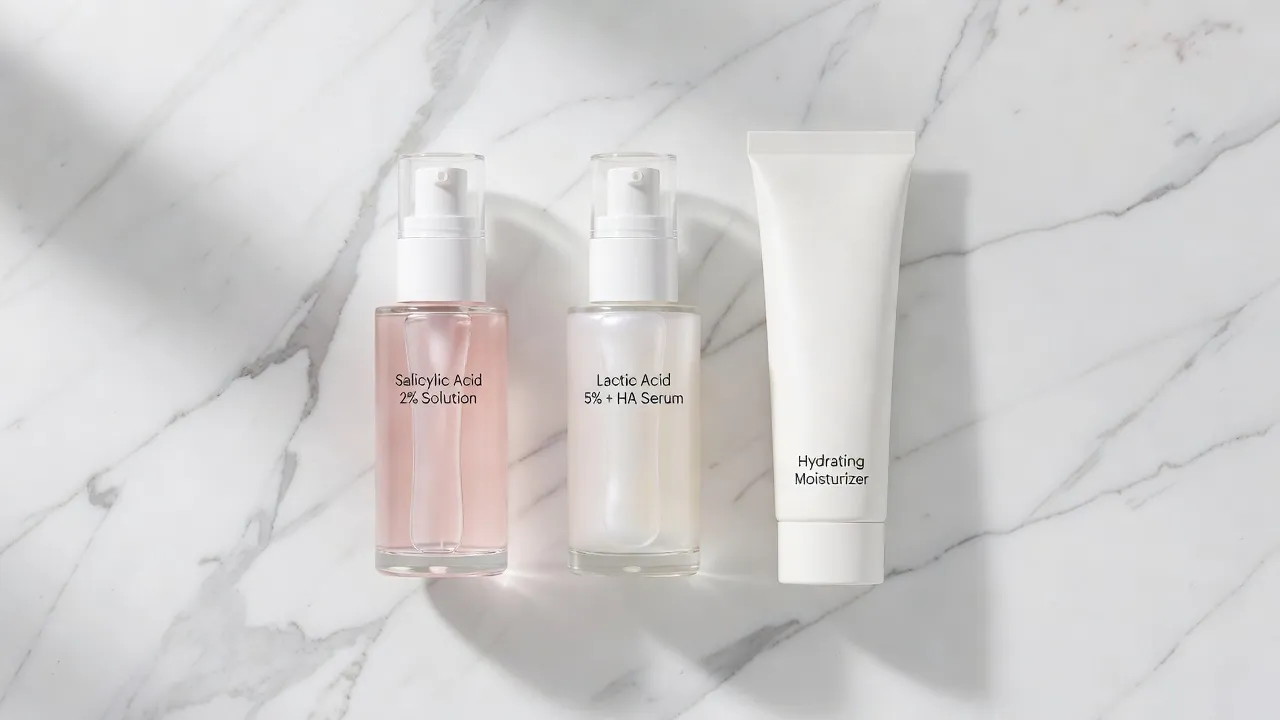
What are dermatologist-recommended treatments for keratosis pilaris?
Dermatologist-recommended treatments for keratosis pilaris focus on combining keratolytic agents like high-concentration urea, lactic acid, and ammonium lactate with intensive emollients. Keratosis pilaris (KP), often called "chicken skin," is a completely benign genetic condition caused by an overproduction of keratin that plugs hair follicles.
Unlike acne, keratosis pilaris is not driven by oil production or bacteria. It manifests as small, rough, dry bumps—frequently surrounded by faint redness—on the upper arms, thighs, and occasionally the cheeks. Treating KP requires long-term management rather than a permanent cure.
According to therapeutic guidelines on the Mayo Clinic dermatology platform, the most effective medical strategies include:
- 10% to 20% Urea Creams: Urea breaks hydrogen bonds in keratin protein structures, softening rough plugs while binding water inside the skin barrier.
- 12% Ammonium Lactate Lotions: This alpha-hydroxy acid formula loosens intercellular glue holding dead skin cells inside the follicle opening.
- Gentle Physical Exfoliation: Using a soft silicone body scrubber once or twice weekly helps clear loosened keratin debris without causing irritation.
- Consistent Daily Moisture: Applying thick emollients within three minutes of exiting the shower traps surface moisture and stops keratin plugs from hardening.
Evaluating skin texture with AI tools
Understanding how various texture issues impact your overall facial aesthetics can be challenging when looking at a standard mirror. The Glow Up & Attractiveness Test provides an accessible solution designed specifically for women who want objective feedback on their skin appearance and facial features.
By taking a simple selfie, users access a detailed analysis generated by a fine-tuned AI model. Available for $9.99 per week, the app calculates your beauty score and helps you unlock your overall glow up potential through an action-oriented guide.
Instead of guessing whether your smoothing routine is working, you can track structural changes over time and receive tailored tips to beautify your look. Downloading the app on the Apple App Store allows you to turn vague cosmetic goals into a clear, measurable journey toward radiant skin.
If you are currently managing rough texture alongside overall complexion clarity, checking your facial symmetry and feature proportions helps ensure your complete skincare investment yields visible cosmetic benefits.
What are the best products (salicylic acid, glycolic acid, retinoids, urea, lactic acid) for small bumps?
The best products for small bumps depend on the ingredient's molecular structure: salicylic acid unclogs oil-filled pores, glycolic and lactic acids smooth surface texture, retinoids normalize cell turnover, and urea dissolves stubborn keratin plugs. Choosing the correct chemical compound prevents wasting money on ingredients ill-suited for your specific bump type.
Each active ingredient operates through distinct biochemical mechanisms detailed in pharmacology studies published by the National Center for Biotechnology Information:
Salicylic Acid (BHA)
- Primary Function: Oil-soluble beta-hydroxy acid that penetrates deeply into lipid-filled hair follicles.
- Best For: Closed comedones, blackheads, and oily forehead bumps.
- Key Advantage: Reduces localized inflammation while exfoliating inside the pore lining.
Glycolic Acid (AHA)
- Primary Function: Small-molecule alpha-hydroxy acid that breaks surface cellular bonds.
- Best For: Surface rough texture, dullness, and sun-damaged skin.
- Key Advantage: Provides rapid surface smoothing and helps brighten dull skin.
Retinoids (Adapalene, Tretinoin, Retinol)
- Primary Function: Vitamin A derivatives that bind to nuclear retinoic acid receptors to regulate cell proliferation.
- Best For: Persistent closed comedones, early-stage milia prevention, and aging texture.
- Key Advantage: Prevents dead skin cells from sticking together inside pores before clumping begins.
Urea & Lactic Acid
- Primary Function: Dual-action keratolytics and natural moisturizing factors (NMFs).
- Best For: Keratosis pilaris on arms and body, rough dry patches, and thickened skin.
- Key Advantage: Softens hard keratin deposits while increasing deep skin hydration.
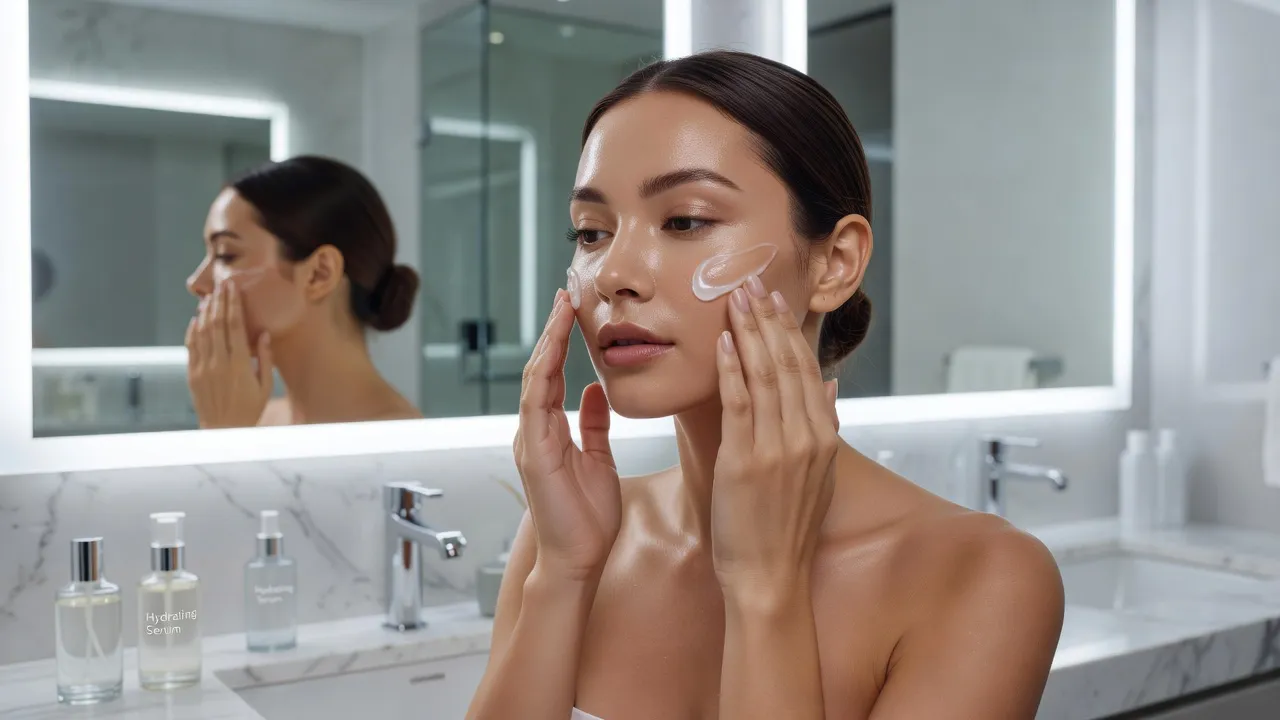
What has worked for people on Reddit for small skin bumps, keratosis pilaris, milia, and closed comedones?
Skincare communities on Reddit frequently report success by introducing single active ingredients slowly, replacing harsh physical scrubs with chemical exfoliants, and avoiding heavy pore-clogging oils. Real-world experiences shared across online forums highlight several practical routines that complement dermatological advice.
Members of popular skincare communities consistently emphasize several key strategies that saved them time and money:
- The "Double Cleanse" Method: Using an emulsifying oil cleanser followed by a gentle water-based wash removes stubborn water-resistant sunscreen without stripping the skin.
- Fungal Acne Sweeps: Users dealing with small, itchy, uniform forehead bumps report dramatic improvements after swapping heavy skincare for fungus-safe products free of fatty acids.
- Short-Contact Therapy: People with sensitive skin use wash-off salicylic acid or benzoyl peroxide treatments for 5 minutes rather than leaving them on overnight to prevent barrier damage.
- Patience with Retinoids: Community members frequently note that closed comedones often look slightly worse during weeks 2 to 4 (purging) before skin clears completely by week 8.
Combining user-tested strategies with an objective assessment tool like the Glow Up & Attractiveness Test app keeps your progress on track while preventing over-exfoliation errors.
Frequently Asked Questions
Can I pop clear or white skin bumps at home?
No, popping non-inflammatory skin bumps at home damages healthy tissue and pushes debris deeper into the dermal layer. Squeezing milia or closed comedones usually results in hyperpigmentation, severe inflammation, or permanent scarring.
How long does it take for small skin bumps to clear up?
It typically takes 6 to 8 weeks of consistent daily chemical treatment to clear skin bumps. Cellular turnover takes roughly 28 days, so active ingredients like retinoids and salicylic acid require at least two full cell cycles to show visible results.
What is the difference between closed comedones and milia?
Closed comedones are clogged pores filled with trapped sebum and dead skin cells that can eventually develop into pimples. Milia are tiny, hard cysts filled with trapped keratin protein that lack a pore opening and rarely become inflamed.
Why do I get small bumps on my forehead that don't pop?
Small, non-poppable forehead bumps are usually either closed comedones caused by excess oil and hair products, or fungal acne (folliculitis) caused by an overgrowth of yeast in hair follicles. Fungal acne typically presents as itchy, uniform bumps that do not respond to traditional acne medication.
Does drinking water clear small skin bumps?
Drinking water improves overall skin hydration and skin barrier function, but it does not unclog pores or dissolve trapped keratin seeds on its own. Clearing bumps requires topical active ingredients like salicylic acid, retinoids, or glycolic acid.
Will heavy moisturizers make skin bumps worse?
Yes, heavy creams containing high concentrations of plant oils or thick waxes can seal dead skin cells inside hair follicles, worsening closed comedones and milia. Opt for oil-free, non-comedogenic gel formulas if you are prone to texture issues.
Is keratosis pilaris contagious or harmful?
Keratosis pilaris is completely harmless, non-contagious, and purely cosmetic. It is a common genetic condition where keratin builds up inside hair follicles, creating a rough "chicken skin" texture on the arms, legs, or face.