
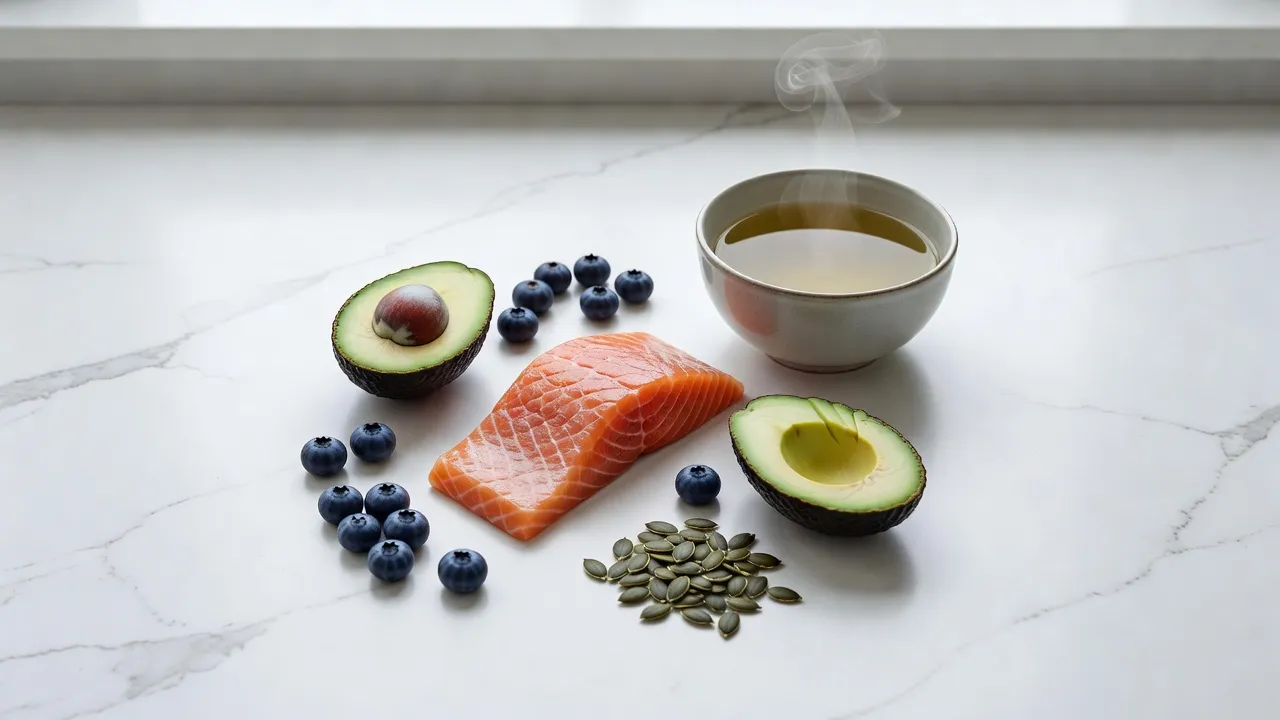
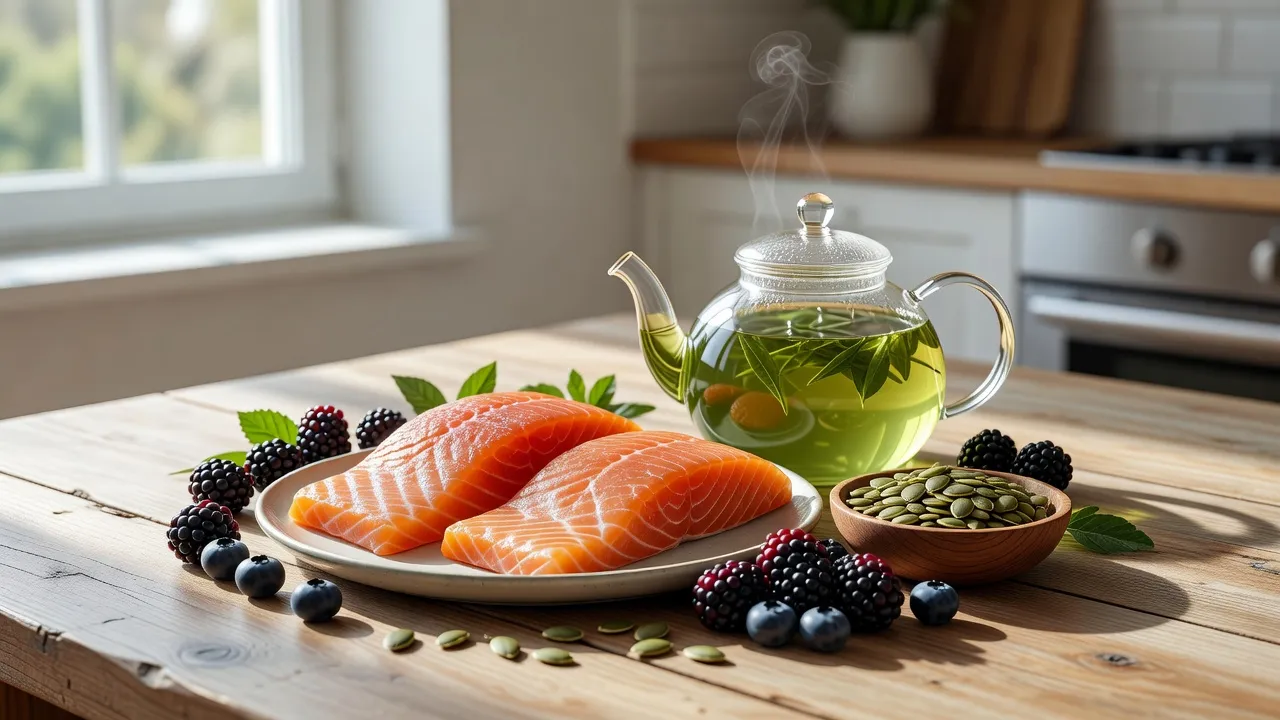
The best foods to eat that clear skin are nutrient-dense options rich in omega-3 fatty acids, zinc, and antioxidants, including wild salmon, pumpkin seeds, green tea, and leafy greens. Eating a diet centered around low-glycemic carbohydrates systematically lowers insulin spikes, which directly reduces sebum production and acne inflammation.
Diets directly impact your skin's clarity, texture, and overall luminosity. If you want to monitor how dietary shifts influence your facial appearance over time, taking periodic selfies using the Glow Up & Attractiveness Test app offers an objective AI face analysis. The app delivers tailored tips to beautify your look while giving you a beauty score benchmark to see your complexion progress as your diet changes.
What does the American Academy of Dermatology recommend for acne diet?
The American Academy of Dermatology recommends switching to a low-glycemic index diet and limiting skim milk intake to help manage acne-prone skin. Official clinical positioning from the American Academy of Dermatology notes that high-glycemic foods spur rapid blood sugar surges, increasing oil production and clogged pores. While dietary adjustments are rarely a complete replacement for dermatological treatment, scientific evidence shows that targeted dietary choices serve as a reliable adjunct therapy.
Understanding where your breakouts originate is also useful before changing your grocery list. If you notice pimples concentrated in specific zones, reading about face mapping of acne can help you identify whether hormone shifts or digestive stress are driving your breakouts.
Does a low glycemic diet help acne?
Yes, a low glycemic diet consistently reduces acne severity by stabilizing blood glucose and insulin levels. Foods with a high glycemic index (like white bread, sugary sodas, and refined pastries) cause rapid spikes in blood sugar. Research indexed on PubMed shows that elevated insulin triggers excessive sebum production and increases androgen hormone activity, both of which accelerate breakout formation.
A low-glycemic eating pattern focuses on slow-digesting carbohydrates:
- Whole grains: Steel-cut oats, quinoa, and brown rice instead of white flour.
- Legumes: Lentils, chickpeas, and black beans for steady energy release.
- Non-starchy vegetables: Broccoli, spinach, and bell peppers that barely touch blood sugar.
Does omega-3 help acne?
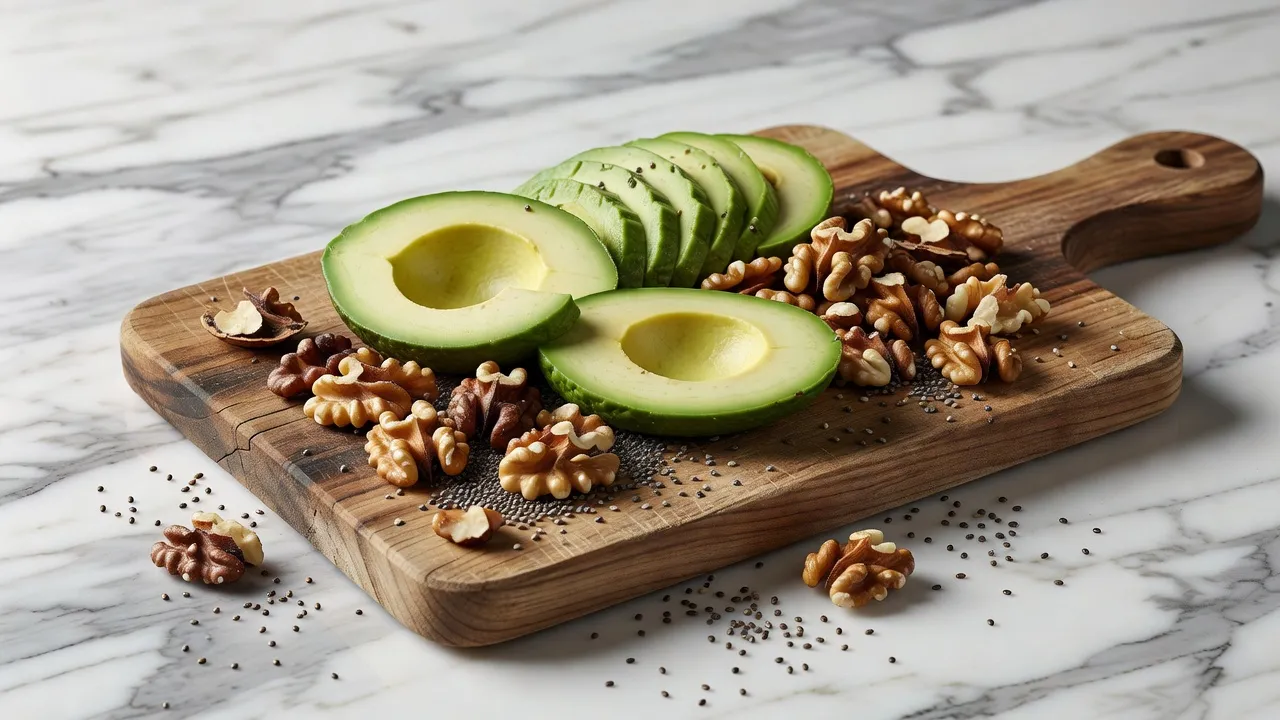
Yes, omega-3 fatty acids actively reduce skin inflammation by inhibiting inflammatory signaling molecules like leukotriene B4. Found abundantly in cold-water fish, chia seeds, and walnuts, omega-3s alter the lipid composition of your cell membranes. Detailed documentation on Wikipedia's entry on Omega-3 fatty acids indicates that these essential fats lower circulating levels of IGF-1 (insulin-like growth factor 1), directly decreasing pore clogging and skin redness.
Does dairy intake affect acne?
Yes, high dairy intake—particularly skim milk—is strongly linked to increased acne breakouts in adolescents and young adults. Skim milk contains anabolic precursor hormones that survive pasteurization and trigger androgen receptors inside human oil glands. While fermented dairy like plain kefir or Greek yogurt rarely triggers breakouts due to probiotic processing, liquid cow milk repeatedly correlates with flare-ups in clinical trials.
If you suspect dairy is causing issues, consider swapping liquid milk for unsweetened almond, oat, or coconut milk for 30 days to monitor skin changes.
Does zinc supplementation help acne?
Yes, zinc helps clear acne by fighting acne-causing bacteria and controlling local inflammatory pathways. Zinc functions as a natural antibacterial agent and regulates oil gland output without requiring prescription antibiotics. Clinical reviews suggest oral zinc gluconate or picolinate reduces inflammatory lesions similarly to low-dose tetracyclines.
However, high-dose zinc supplements can cause mild nausea if taken on an empty stomach. Getting zinc directly through food like pumpkin seeds or oysters remains the safest long-term approach.
Does green tea (EGCG) help acne?
Yes, the epigallocatechin gallate (EGCG) in green tea effectively lowers sebum production and combats skin inflammation. EGCG is a potent polyphenol that inhibits 5-alpha-reductase, the primary enzyme responsible for converting testosterone into DHT within human oil glands. Drinking 2 to 3 cups of green tea daily—or applying topical EGCG extracts—significantly lowers skin oiliness over an 8-week period.
The 10 Best Foods to Eat That Clear Skin
The following foods clear skin by targeting the root causes of breakouts: systemic inflammation, hormonal sebum surges, and compromised gut barrier health.
1. Wild Alaskan Salmon
What it is: A cold-water fatty fish loaded with EPA/DHA omega-3 fatty acids and astaxanthin.
Why it made the list: The high concentration of omega-3s calms red, angry cysts from the inside out. Astaxanthin, a powerful carotenoid pigment in salmon, protects skin cell membranes from free radical breakdown.
Key trade-off: Wild-caught salmon costs noticeably more per pound than farmed variants ($15 to $22/lb as of September 2026) and requires fresh cold storage.
2. Pumpkin Seeds (Pepitas)
What it is: An edible seed exceptionally rich in bioavailable zinc, magnesium, and essential fatty acids.
Why it made the list: Just a quarter-cup of pumpkin seeds delivers over 20% of your daily recommended zinc intake. Zinc naturally regulates skin cell shedding so dead tissue does not trap sebum inside pores.
Key trade-off: They are calorie-dense (roughly 180 calories per ounce), so eating large handfuls can easily push you over your daily caloric target.
3. Brewed Green Tea and Matcha
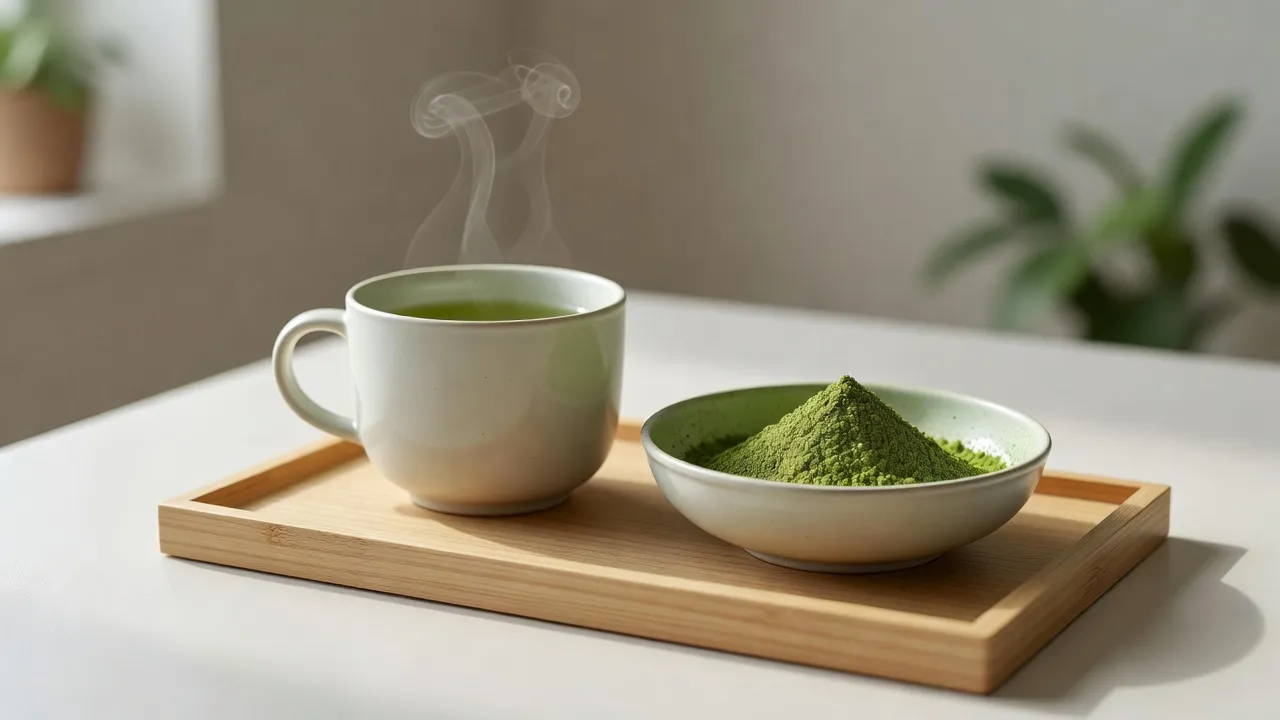
What it is: Unfermented tea leaves rich in antioxidant epigallocatechin gallate (EGCG).
Why it made the list: Drinking green tea reduces systemic oxidative stress and suppresses hyperactive oil glands. Matcha contains up to three times more EGCG than standard bagged green tea.
Key trade-off: Overbrewing leaves causes a harsh, bitter taste, and high intake can trigger mild caffeine sensitivity for some readers.
4. Wild Blueberries and Blackberries
What it is: Low-sugar berries overflowing with anthocyanins and natural vitamin C.
Why it made the list: Anthocyanins give these berries their deep color while stopping sebum oxidation. When oil on your face oxidizes, it thickens into squalene peroxide, which directly causes blackheads.
Key trade-off: Fresh organic berries spoil quickly in the refrigerator, usually lasting only 3 to 5 days after purchase.
5. Unsweetened Kefir and Sauerkraut
What it is: Fermented beverages and vegetables packed with live, active probiotic strains.
Why it made the list: Gut health directly rules skin health through the gut-skin axis. Probiotics strengthen the intestinal barrier, preventing leaked bacterial toxins from entering the bloodstream and causing facial inflammation.
Key trade-off: The sharp, sour flavor profile takes time to enjoy if you are unaccustomed to fermented foods.
6. Sweet Potatoes
What it is: A complex starch loaded with beta-carotene, the precursor your body uses to produce vitamin A.
Why it made the list: Vitamin A acts as nature’s oral retinoid, accelerating cell turnover so old skin layer debris sheds cleanly.
Key trade-off: Consuming massive quantities daily can cause carotenemia, a harmless condition that temporarily turns your palms slightly yellow.
7. Brazil Nuts
What it is: Large South American tree nuts packed with organically bound selenium.
Why it made the list: Selenium works alongside glutathione enzymes inside your body to defend skin elasticity and minimize inflamed lesions.
Key trade-off: Selenium is extremely potent; eating more than two or three Brazil nuts per day can lead to mild selenium toxicity over time.
8. Dark Leafy Greens (Spinach & Kale)
What it is: Nutrient-dense green leaves packed with chlorophyll, folate, and vitamin K.
Why it made the list: Folate supports rapid DNA repair and cellular turnover, which helps soothe dull skin and fade hyperpigmentation left behind by old pimples.
Key trade-off: Raw kale and spinach contain oxalates, which can cause mild stomach gas or bloating if eaten in large raw quantities.
9. Avocados
What it is: A high-fat botanical fruit rich in monounsaturated fats and natural vitamin E.
Why it made the list: Vitamin E works synergistically with vitamin C to lock moisture into the skin barrier while calming inflammation.
Key trade-off: Avocados spoil rapidly once cut open and contain about 250 calories per medium fruit.
10. Turmeric Root
What it is: A bright yellow spice root containing the active anti-inflammatory compound curcumin.
Why it made the list: Curcumin blocks inflammatory signaling molecules inside the body, preventing deep cystic breakouts from becoming swollen.
Key trade-off: Curcumin has very poor natural absorption in your digestive tract unless paired directly with black pepper (piperine).
Comparing Skin Clarity Strategies and Tools
When optimizing your diet for clear skin, tracking your physical progress is just as important as changing your meal plan. Here is how key clear skin strategies compare:
| Strategy / Food Category | Primary Skin Benefit | Key Active Nutrient | Best For | Trade-Off to Consider |
|---|---|---|---|---|
| Glow Up & Attractiveness Test | Visual progress tracking & tailored advice | AI-driven face analysis model | Monitoring skin clarity & aesthetic changes | Visual tracking app (does not replace daily nutrition) |
| Wild Alaskan Salmon | Systemic anti-inflammatory action | Omega-3 EPA/DHA & Astaxanthin | Reducing deep cystic inflammation | Higher grocery cost per serving ($15-$22/lb) |
| Pumpkin Seeds | Oil gland regulation | Bioavailable Zinc & Magnesium | Controlling excessive oil output | Calorically dense (180 calories/oz) |
| Fermented Foods (Kefir/Kimchi) | Gut-skin axis optimization | Live active probiotic cultures | Lowering systemic gut inflammation | Tangy or spicy flavor profile |
| Green Tea & Matcha | Hormonal sebum suppression | EGCG Polyphenols | Calming oily, breakout-prone skin | Mild caffeine content |
| Dark Berries | Sebum oxidation defense | Anthocyanins & Vitamin C | Preventing blackheads and dullness | Short refrigerator shelf life (3-5 days) |
Using a visual tracking tool alongside dietary adjustments ensures you aren't relying on subjective memory to see if your skin is improving. Taking a quick photo using the Glow Up & Attractiveness Test app every two weeks lets you objectively gauge changes in skin texture and facial aesthetics.
If you are also revamping your topical regimen alongside your meals, establishing a solid skincare routine at night will help seal in hydration while your body processes these nutrient-dense foods overnight.
Frequently Asked Questions
How long does it take for dietary changes to clear skin?
It usually takes between 4 to 8 weeks of consistent dietary changes to notice visible improvements in your skin. Skin cell turnover takes approximately 28 to 40 days, meaning new cells formed under your dietary changes need time to rise to the surface.
Can chocolate cause acne breakouts?
Pure dark chocolate (70% cocoa or higher) rarely causes acne, but commercial milk chocolate filled with refined sugar and dairy frequently triggers breakouts. The added sugar increases insulin levels, which spurs oil production.
Is drinking water enough to clear skin acne?
Drinking water hydrates your body and aids kidney detox functions, but water alone cannot cure acne caused by hormonal imbalances or high-glycemic diets. Hydration works best when combined with low-glycemic, zinc-rich foods.
Should I cut out all carbohydrates to get clear skin?
No, you do not need to cut out all carbohydrates. You only need to eliminate high-glycemic, refined carbohydrates like white bread, sugary cereals, and pastries, while keeping complex carbohydrates like sweet potatoes and quinoa.
Are eggs bad for acne-prone skin?
Eggs do not cause acne for most people. However, egg yolks are high in biotin and iodine, which can trigger mild breakouts in a small percentage of sensitive individuals if eaten in massive quantities daily.
Does eating sugar directly cause pimples?
Yes, high sugar intake causes rapid blood glucose spikes that increase insulin production. Elevated insulin stimulates androgen hormones, leading to increased sebum output and clogged pores.
Is fruit sugar bad for clear skin?
Whole fruits contain natural fibers that slow down sugar absorption, preventing harmful insulin spikes. Low-glycemic fruits like blueberries, raspberries, and apples support skin clarity without triggering breakouts.