
The best products that clear skin contain clinically proven active ingredients like adapalene, salicylic acid, benzoyl peroxide, and azelaic acid. Over-the-counter options work by addressing the core drivers of breakouts: clogged pores, excess oil production, acne bacteria, and localized inflammation. Choosing the right formula requires matching the active ingredient to your specific skin type and tolerance limits.
Navigating the skincare aisle in 2026 can feel overwhelming with hundreds of topical treatments claiming fast results. To save you time and money, this list breaks down the top dermatologist-backed products, their proven active ingredients, and the specific limits that might rule them out for your skin.
| Product / Tool | Core Active Ingredient | Best Suited For | Key Limit or Trade-Off |
|---|---|---|---|
| Differin Gel | Adapalene 0.1% | Comedonal acne and stubborn clogged pores | Requires 4-12 weeks; causes initial retinoid purging |
| Glow Up & Attractiveness Test | AI Vision Model Analysis | Tracking skin progress and visual glow-up routines | Requires smartphone app; costs $9.99/week |
| Paula's Choice 2% BHA | Salicylic Acid 2% | Blackheads, oily skin, and textured pores | Can strip the moisture barrier if overused daily |
| PanOxyl Foaming Wash | Benzoyl Peroxide 4% | Inflammatory pimples and red acne bumps | Bleaches fabrics and towels; can cause mild stinging |
| The Ordinary 10% Suspension | Azelaic Acid 10% | Post-acne marks and sensitive skin redness | Thick silicone base can pill under modern sunscreens |
| EltaMD UV Clear SPF 46 | Zinc Oxide & Niacinamide | Daily sun protection for acne-prone skin | Premium pricing at over $40 per bottle |
Is Differin (adapalene 0.1%) effective for acne when used over the counter?
Yes, Differin (adapalene 0.1%) is highly effective for clear skin because it regulates cell turnover and prevents clogged pores. Formerly available only by prescription, this topical retinoid targets acne at the cellular level before visible pimples even surface.
According to a review published by the National Center for Biotechnology Information, adapalene exhibits strong anti-inflammatory properties while clearing microcomedones efficiently. It is particularly effective for people fighting stubborn closed comedones, textured bumps, and chronic breakouts.
However, adapalene comes with strict usage requirements that rule it out for certain skin types:
- The retinoid purge: Your skin may look worse during weeks two through four as underlying congestion comes to the surface.
- Barrier compromise: Using adapalene alongside harsh physical scrubs or strong alpha hydroxy acids usually results in burning and flaking.
- Sun sensitivity: Retinoids make your skin more vulnerable to ultraviolet light, requiring dedicated daily sunscreen use.
If you are dealing with smaller rough patches rather than deep cystic breakouts, review our guide on identifying clear skin bumps before starting a heavy retinoid.
Does Paula's Choice 2% BHA salicylic acid have evidence for treating acne?
Yes, Paula's Choice 2% BHA Liquid Exfoliant has extensive clinical backing and remains a gold standard for clearing blackheads and oil buildup. Beta hydroxy acid (BHA) is lipid-soluble, meaning it cuts through surface sebum to dissolve dead skin cell buildup inside the pore lining.
As detailed by the American Academy of Dermatology, salicylic acid is one of the most effective non-prescription agents for unclogging hair follicles. It smooths rough skin texture, reduces surface shine, and minimizes the appearance of enlarged pores over time.
Despite its popularity, BHA has distinct boundaries you should keep in mind:
- Drying effects: Daily leave-on application can deplete skin lipids, leading to severe tight-feeling skin.
- Aspirin allergy restrictions: Salicylic acid shares a chemical structure with acetylsalicylic acid (aspirin); those with known allergies must avoid it.
- Frequency caps: Most skin types tolerate BHA best when limited to two or three nights per week rather than twice daily.
Is benzoyl peroxide 2.5% or 5% more effective for acne?
Benzoyl peroxide 2.5% provides equal bactericidal effectiveness to 5% formulas while causing significantly less skin redness and flaking. Benzoyl peroxide works by introducing oxygen directly into hair follicles, which rapidly kills anaerobic Cutibacterium acnes bacteria.
Clinical research repeatedly shows that higher percentages do not clear acne faster. Instead, 5% and 10% leave-on creams substantially increase the risk of contact dermatitis and barrier disruption without boosting antibacterial activity.
When choosing a benzoyl peroxide product, keep these practical limitations in mind:
- Fabric bleaching: Benzoyl peroxide will permanently bleach dark towels, pillowcases, and clothing upon contact.
- Contact irritation: Leaving high concentrations on sensitive neck skin or around the mouth frequently leads to peeling patches.
- Short-contact option: Using a 4% wash (like PanOxyl) for 60 seconds in the shower delivers antibacterial benefits with far less irritation than a leave-on treatment.
Is azelaic acid 15% (Finacea) effective for acne or rosacea?
Yes, prescription-strength 15% azelaic acid gel (Finacea) is exceptionally effective for clearing both inflammatory acne and rosacea-related redness. Azelaic acid is a dicarboxylic acid that acts as a mild antibacterial, an anti-inflammatory, and a tyrosinase inhibitor.
As noted in treatment guidelines on the Mayo Clinic clinical reference site, azelaic acid effectively clears red bumps while stopping hyperpigmentation by blocking abnormal pigment-producing cells. This dual action makes it ideal for individuals who suffer from post-acne dark marks (post-inflammatory hyperpigmentation).
The major requirements and limitations for 15% azelaic acid include:
- Prescription barrier: Finacea requires an official prescription from a physician or dermatologist.
- Initial tingling: First-time users often experience a distinct itching or stinging sensation during the first 15 minutes of application.
- Gradual timeline: It generally takes six to eight weeks of consistent twice-daily use to see noticeable reductions in papules and redness.
Is The Ordinary Azelaic Acid Suspension 10% effective for acne?
The Ordinary Azelaic Acid Suspension 10% is moderately effective for mild acne breakouts and fading surface dark spots without a prescription. It delivers a lower dose of the active ingredient compared to Finacea, making it a gentle starting point for sensitive skin.
While it provides a budget-friendly way to brighten dull skin, this specific product carries clear formulation drawbacks:
- Silicone texture: The thick, dimethicone-heavy gel base can pill when layered under facial oils, heavy creams, or liquid foundations.
- Lower concentration: At 10%, it lacks the potency needed to clear deep, severe cystic acne on its own.
- Application order: You must apply it late in your routine (after water-based serums) to prevent pilling and balling up.
Pairing topical brightening products with a healthy dietary foundation yields better long-term results. Check out our detailed breakdown of foods to eat that clear skin to complement your external treatments.
How AI face analysis helps optimize your skin clearing routine
Finding the right products is only half the battle; tracking how your skin actually responds over several weeks is what prevents product waste and barrier damage. This is where modern AI visual analysis tools create a real advantage for your daily skincare journey.
Using the Glow Up & Attractiveness Test app (available on iOS), you can scan a simple selfie to receive a detailed AI face analysis and custom skin score. For $9.99/week, the app provides tailored tips to beautify your look, helping you identify whether your current skin clearing routine is actually improving texture and clarity or causing underlying irritation.
- Baseline Scan: Take initial facial analysis photo
- Introduce Active: Use BHA/Adapalene for 3-4 consecutive weeks
- AI Retest: Scan weekly to track clarity
Instead of guessing whether a new retinoid or salicylic acid wash is working, consistent AI tracking allows you to make data-driven adjustments before your moisture barrier gets severely damaged.
Is EltaMD UV Clear sunscreen recommended for acne-prone skin?
Yes, EltaMD UV Clear Broad-Spectrum SPF 46 is widely recommended by dermatologists for acne-prone skin because it protects without clogging pores. Sunscreen is mandatory when using acne treatments, as ingredients like adapalene and salicylic acid leave skin heightened to sun damage.
This formula stands out because it combines oil-free zinc oxide with 5% high-purity niacinamide. Niacinamide helps soothe active inflammation, calms red blemishes, and regulates sebum production throughout the day.
However, specific factors rule this product out for some consumers:
- Cost restriction: Retail pricing sits above $40 for a 1.7 oz pump, making it expensive for daily, generous application.
- White cast on dark skin: Although formulated to rub in clear, the high percentage of transparent zinc oxide can leave a faint residue on deep skin tones.
- Pilling with serums: High niacinamide concentrations can clash with heavy hyaluronic acid serums if not allowed to dry fully.
Building an effective AM habit around SPF protection is crucial. Learn how to structure a complete morning regimen in our step-by-step guide to a solid morning skincare routine.
How to choose the right skin clearing product for your skin type
Selecting an effective acne treatment requires identifying your primary skin concern and current barrier health. Using the wrong active ingredient for your skin type often leads to worsening acne, peeling, and contact dermatitis.
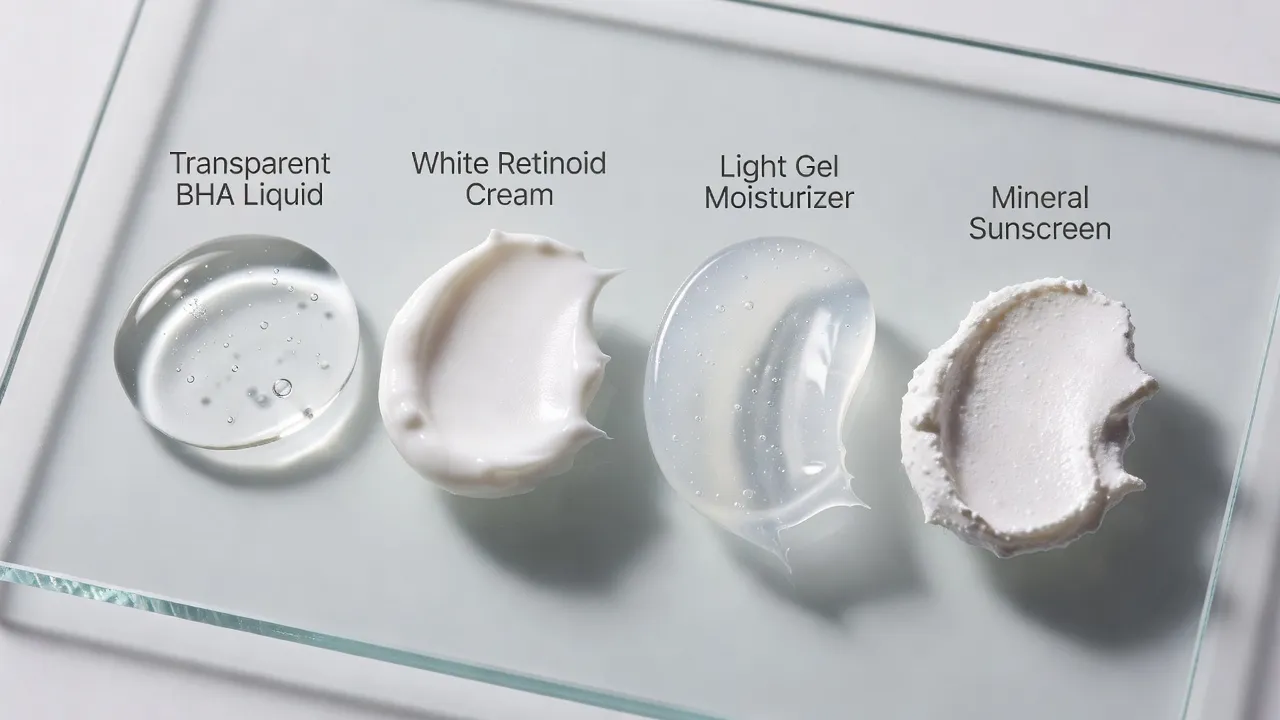
For oily skin with blackheads and enlarged pores
Focus on oil-soluble exfoliants that penetrate deep into clogged follicles.
- Primary product choice: Paula's Choice 2% BHA or a 2% salicylic acid cleanser.
- Key benefit: Dissolves oil plugs and prevents new blackheads without heavy residue.
- Usage tip: Start two nights per week and slowly build up tolerance.
For active inflammatory pimples and red bumps
Prioritize antibacterial agents that destroy acne bacteria and calm surface inflammation.
- Primary product choice: 2.5% benzoyl peroxide gel or 4% benzoyl peroxide wash.
- Key benefit: Rapidly lowers bacterial counts inside inflamed pores.
- Usage tip: Keep leave-on creams away from colorful towels and bedsheets to avoid bleaching.
For post-acne dark marks and sensitive redness
Choose gentle anti-inflammatory brightening agents that calm skin while fading pigmentation.
- Primary product choice: 10% to 15% azelaic acid cream.
- Key benefit: Stops excess melanin production while reducing surface erythema.
- Usage tip: Apply twice daily after water-based hydrators.
Frequently Asked Questions
What active ingredient clears acne fastest?
Benzoyl peroxide kills acne-causing bacteria within 48 hours, making it the fastest active ingredient for reducing active, inflamed pimples. However, retinoids like adapalene provide better long-term clearance by stopping new clogged pores from forming.
Can I use salicylic acid and adapalene together?
You should not apply salicylic acid and adapalene at the same time, as layering them significantly increases the risk of severe skin barrier damage. If you want to use both, apply salicylic acid in the morning and adapalene at night, or alternate them on different days.
Why is my skin breaking out more after starting a new skin clearing product?
Your skin may be undergoing a retinoid or acid "purge," which occurs when active ingredients accelerate skin cell turnover and bring existing clogged pores to the surface quickly. Purging typically lasts two to six weeks; if breakouts persist longer or occur in new areas, you may be experiencing product irritation rather than purging.
Is benzoyl peroxide safe for daily skin use?
Yes, benzoyl peroxide is safe for daily use when applied at lower strengths like 2.5% or in a wash formulation. If you experience excessive peeling or tightness, scale back application to every other day.
Does azelaic acid clear closed comedones?
Azelaic acid helps clear mild closed comedones by normalizing skin shedding inside pores, but it works slower than adapalene or salicylic acid. It is best suited for people who have both mild texture issues and significant post-acne redness.
How long does it take for Differin to clear skin completely?
Most people begin seeing visible improvements in acne after 4 to 8 weeks of consistent daily Differin use, with full skin clearing results appearing around 12 weeks. Consistency during the initial month is essential even if mild flaking occurs.
Should I moisturizer before or after applying acne products?
If you have sensitive skin, applying a lightweight moisturizer before your active acne product (known as buffering) helps reduce irritation without stopping the ingredient from working. Those with resilient skin can apply treatments directly to clean, dry skin followed by a moisturizer.
Clear skin takes consistency and smart tracking
Clearing your skin in 2026 relies on proven science rather than marketing hype. Products containing adapalene, salicylic acid, benzoyl peroxide, and azelaic acid remain the gold standard for tackling breakouts at their source.
By matching these active ingredients to your specific skin limitations, maintaining a simplified routine, and tracking your visual changes with tools like the Glow Up & Attractiveness Test, you can achieve a clearer, healthy-looking complexion safely over time.